Insights on industrial polymer materials.
Buying guides written by the people who run the lines — thickness and compound selection, carcass and cover grades, and how to specify so the quotation is right the first time.

PVC Strip Curtain Thickness Guide: 2 mm vs 3 mm vs 4 mm
Thickness decides how long a curtain survives a doorway — and how much it costs every time you replace it. Here is the decision process we use when buyers ask us to spec the door for them.
Read article →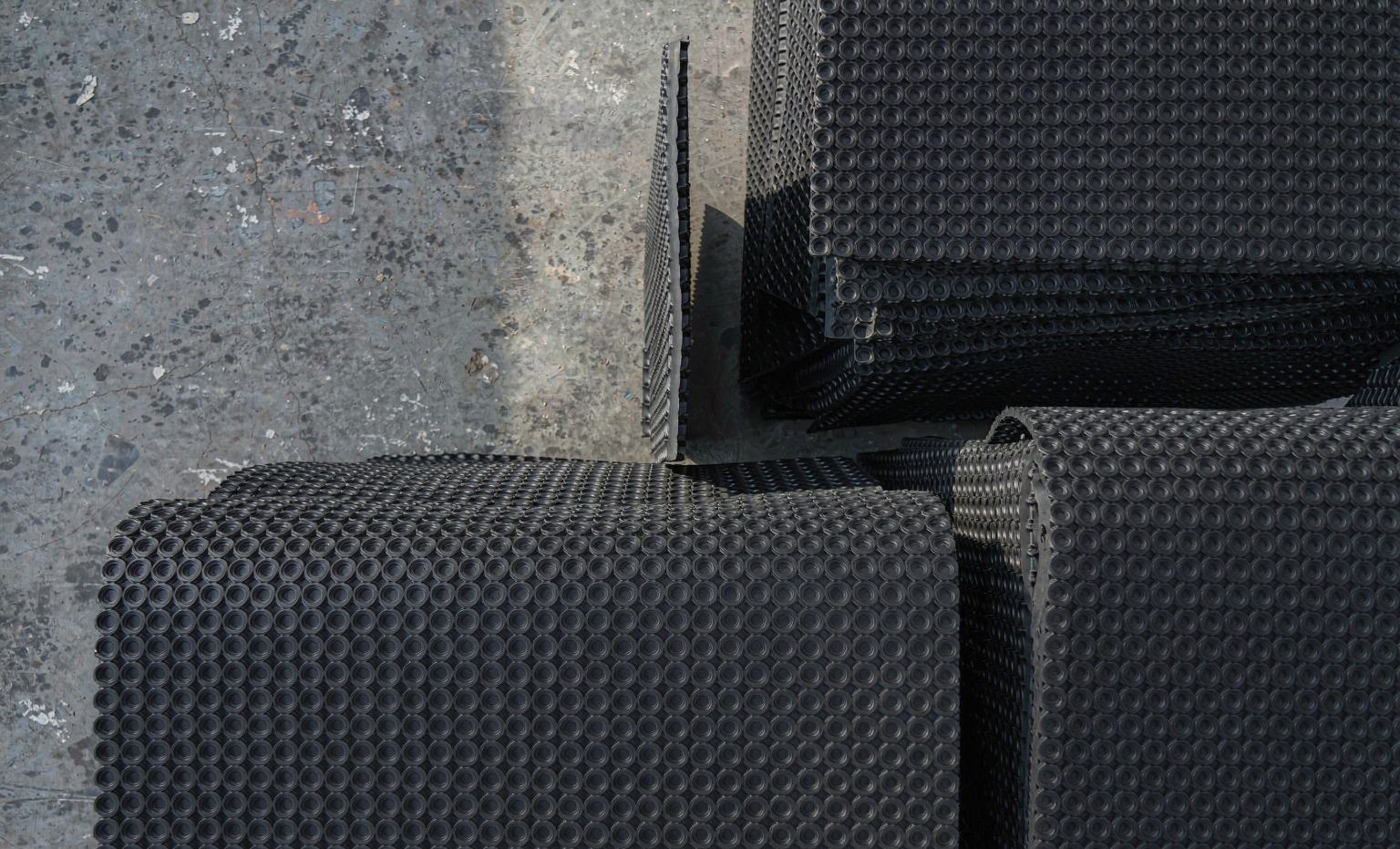
How to Choose Rubber Matting for Livestock and Dairy Barns
Matting is one of the few purchases that pays back through the animal — in lying time, hoof health and bedding savings. This is how we help buyers match compound, texture and thickness to each part of the barn.
Read article →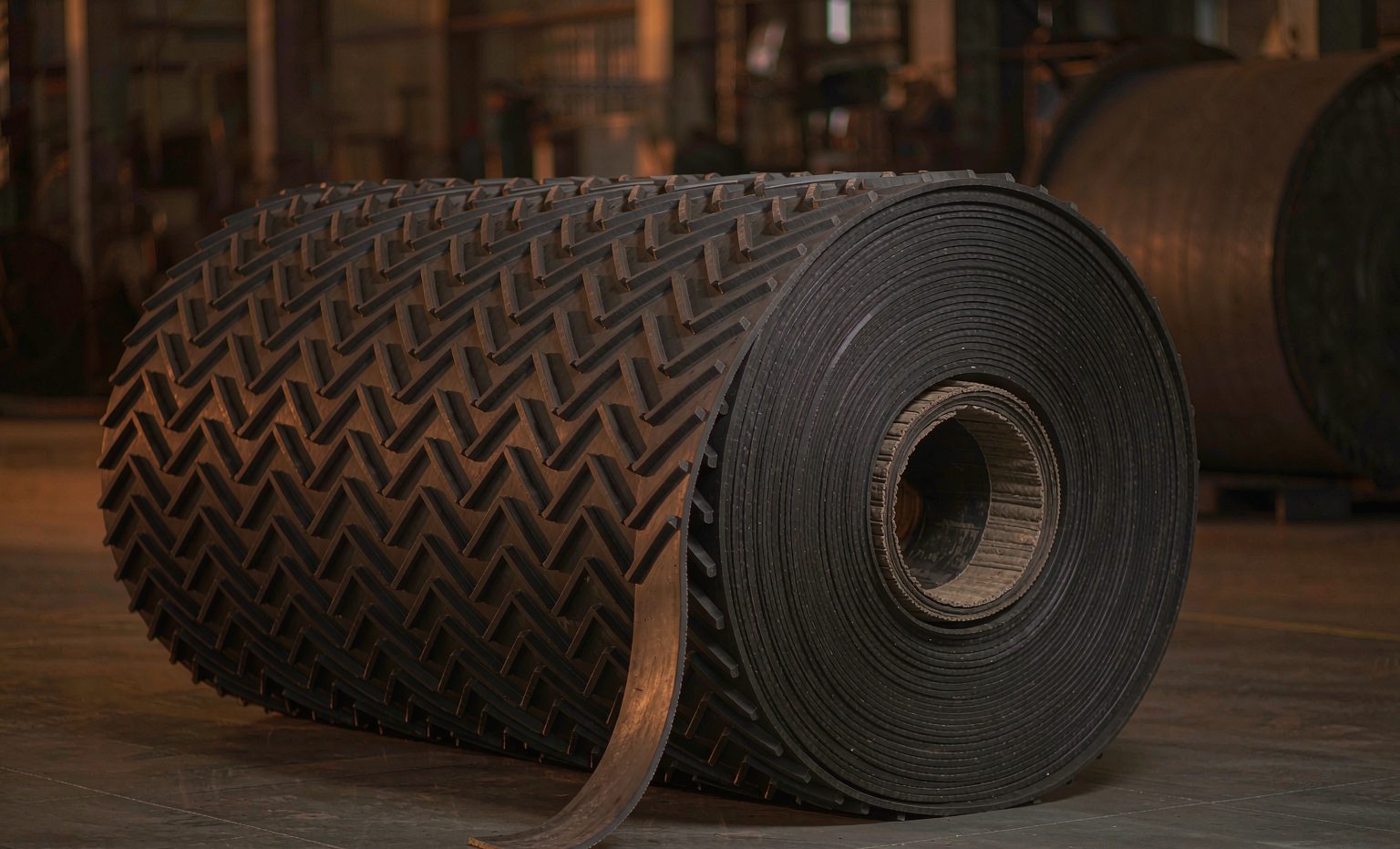
Conveyor Belt Grades Explained: EP, NN, CC and Steel Cord Carcass
The cover compound gets the attention, but the carcass decides how the belt behaves over rollers, how much it stretches, and how it fails. A plain-language guide to specifying both.
Read article →
Cold Room Strip Curtains: Why DOTP Beats DOP Below Freezing
A freezer door is the hardest place in the building for a strip curtain: cold stiffens the plasticiser, frost adds weight, and traffic keeps hitting it. Here is what actually fails and how to spec against it.
Read article →
How to Write a Polymer Specification That Gets an Accurate Quote
Most quotation delays are not factory delays — they are specification gaps. Five lines of information decide whether your enquiry gets a same-day price or three days of back-and-forth.
Read article →Question the guides don't answer?
Describe the application and we will name the compound and the profile — that part is a conversation, not a catalogue.